Espresso is one of the most concentrated coffee drinks, known for its bold flavor and high caffeine content relative to its size. However, the actual amount of caffeine in an espresso can vary depending on several factors, including what kind of coffee beans you use, the brewing method, and the serving size.
Advertisement:
What is the typical caffeine content in an Espresso?
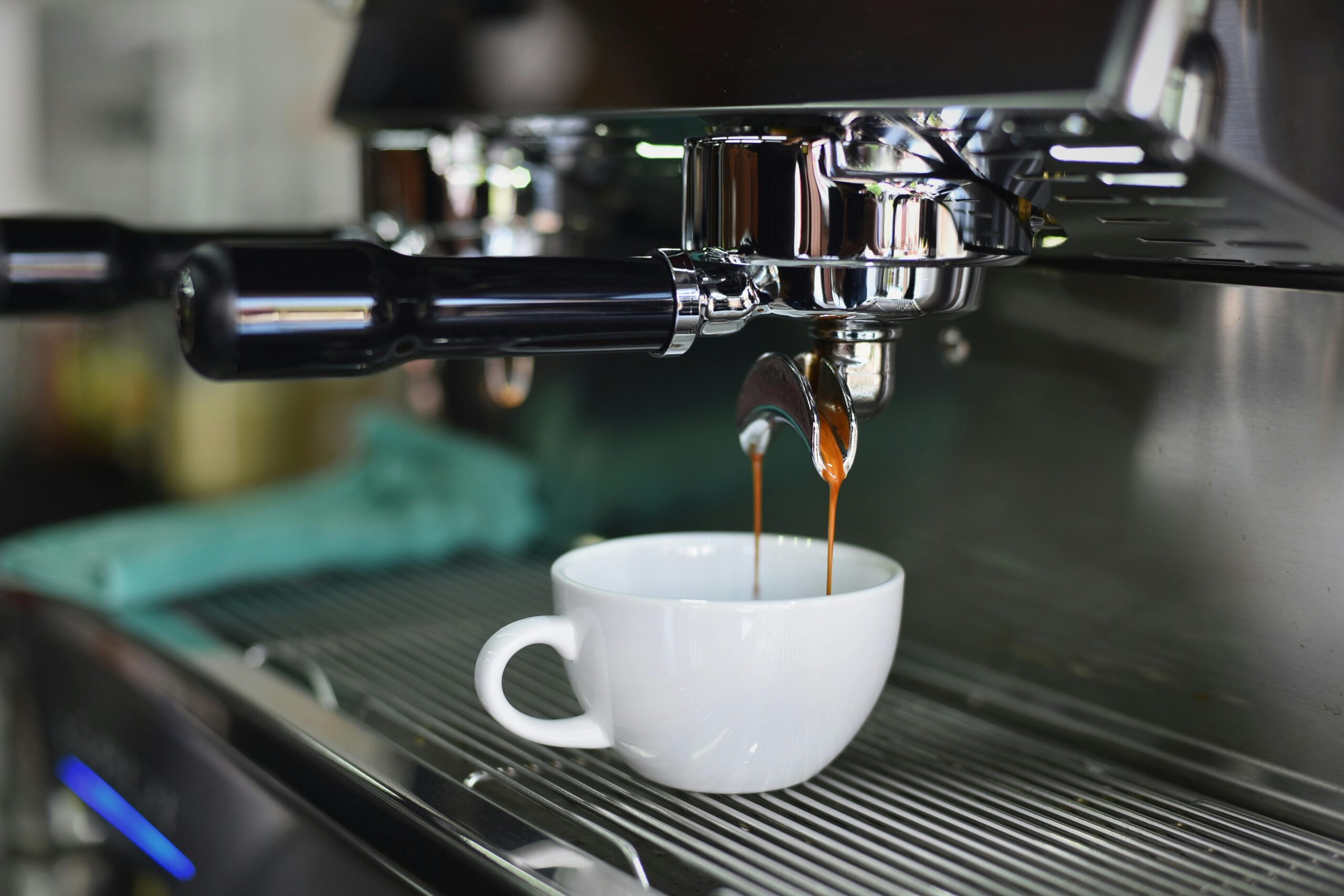
A single shot of espresso, which is typically about 1 ounce (30 milliliters), contains 64 milligrams of caffeine on average. A double espresso (commonly called a “doppio”) contains about 128 milligrams of caffeine since it is made with twice the amount of coffee grounds.
For comparison, an 8-ounce (237-milliliter) cup of regular brewed coffee contains, on average 96 milligrams of caffeine, depending on the strength and brewing method. While espresso has more caffeine per ounce, a full cup of coffee usually contains more total caffeine because of its larger volume.
So based on these numbers, you’ll get less caffeine from an espresso than from a cup of coffee, while a double espresso contains about one-third more caffeine than a cup of coffee.
The FDA recommends a daily caffeine limit of 400 milligrams, which is considered safe for most adults, and is about: 6 single espresso cups, 4 cups of regular coffee or 2 large energy drinks.
Advertisement:
Keep in mind that several factors influence the caffeine content of an espresso, including:
Coffee bean type – Arabica or Robusta coffee beans: Considering that almost all coffee beans sold in the US are made from either Arabica or robusta coffee beans you should know that Arabica beans contain less caffeine than Robusta beans. Robusta beans can have up to twice the caffeine of Arabica beans, while some espresso blends include Robusta beans to enhance caffeine content and flavour.
Grind size and extraction time: The finer the grind, the more surface area the water interacts with, leading to a more efficient extraction of caffeine.
Roast level: Darker roasts, despite their stronger flavor, actually have slightly less caffeine than lighter roasts because prolonged roasting reduces caffeine content a little bit.
How about comparing Espresso against other Caffeinated Drinks
A latte with one cup of espresso has about 64 mg of caffeine, while a cappuccino with 2 cups of espresso has about 128 mg of caffeine. Compare this with a 16-ounce iced coffee that can contain 200 mg or more, making it more caffeinated than a single or double espresso.
Let’s see now how much caffeine content is in the most popular Starbucks coffee drinks. The Cappuccino, Latte or Macchiato drinks have about 75 mg for short or tall and 150 mg for grande or venti.
The Flat White from Starbucks has 90mg for short or tall and 130 mg of caffeinse for grande or venti, while the Americano drink has 75 mg for short, 150 mg for tall, 225 mg for grande and a whooping 300 mg for venti.
| Coffee drinks | Size in oz. (mL) | Caffeine (mg) |
| Brewed | 8 (237) | 96 |
| Brewed, decaf | 8 (237) | 2 |
| Espresso | 1 (30) | 64 |
| Espresso, decaf | 1 (30) | 0 |
| Teas | Size in oz. (mL) | Caffeine (mg) |
| Brewed black | 8 (237) | 47 |
| Brewed black, decaf | 8 (237) | 2 |
| Brewed green | 8 (237) | 28 |
| Other drinks | Size in oz. (mL) | Caffeine (mg) |
| Cola | 8 (237) | 22 |
| Energy drink | 8 (237) | 71.9 |
Advertisement:
What to know – Espresso is a strong, concentrated coffee, but its total caffeine content per serving is lower than a full cup of coffee.